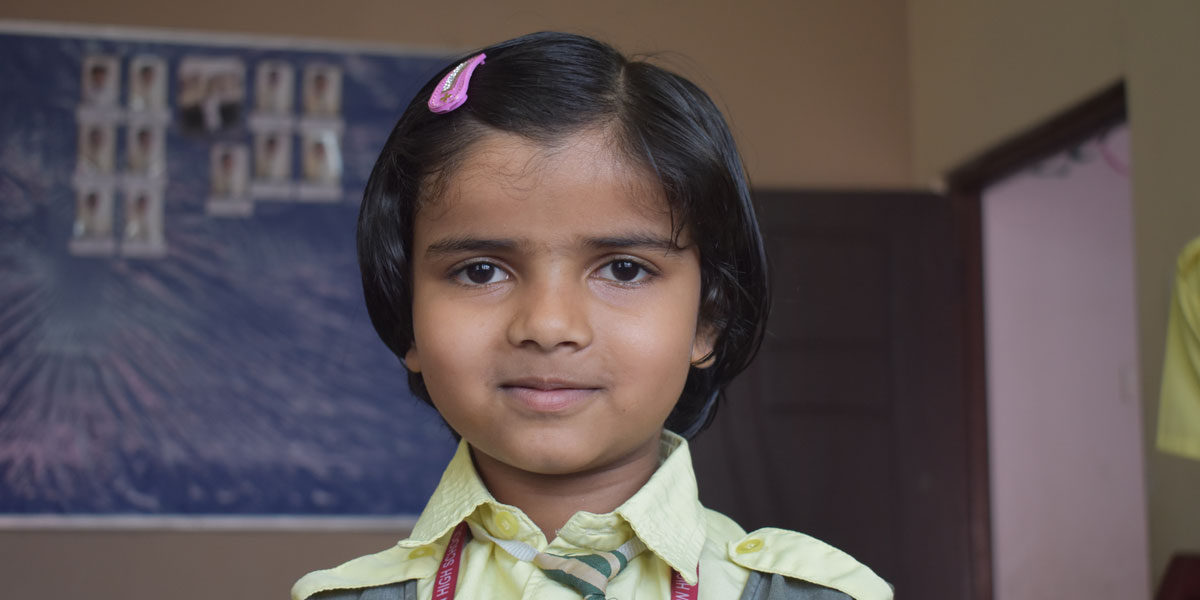


Educating a girl child is like educating two families.
Girls' education and women's empowerment programs are crucial pillars for societal progress and development. Here are some key points highlighting their importance:
Breaking the Cycle of Poverty: Educating girls and empowering women break the cycle of poverty. Studies consistently show that educated women are more likely to earn higher incomes, provide better care for their families, and invest in their communities' well-being.
Improved Health Outcomes: Educated girls and women are more likely to make informed decisions regarding their health and that of their families. They have better access to healthcare services, leading to improved maternal and child health outcomes and reduced mortality rates.
Empowerment and Decision-making: Education empowers girls and women by providing them with knowledge, skills, and confidence to participate fully in decision-making processes at home, in their communities, and in society at large. Empowered women contribute to more inclusive and democratic societies.
Social Development: Educated women play vital roles in fostering social development and stability. They are more likely to promote education, health, and well-being within their families and communities, leading to positive social change and cohesion.
Long-term Impact: Investing in girls' education yields long-term dividends for individuals, families, and societies. Educated girls are more likely to become educated mothers, breaking intergenerational cycles of poverty and inequality.
In conclusion, girls' education and women's empowerment programs are not only moral imperatives but also smart investments in the future of nations. By prioritizing these initiatives, societies can unlock the full potential of girls and women, leading to more prosperous and sustainable communities.
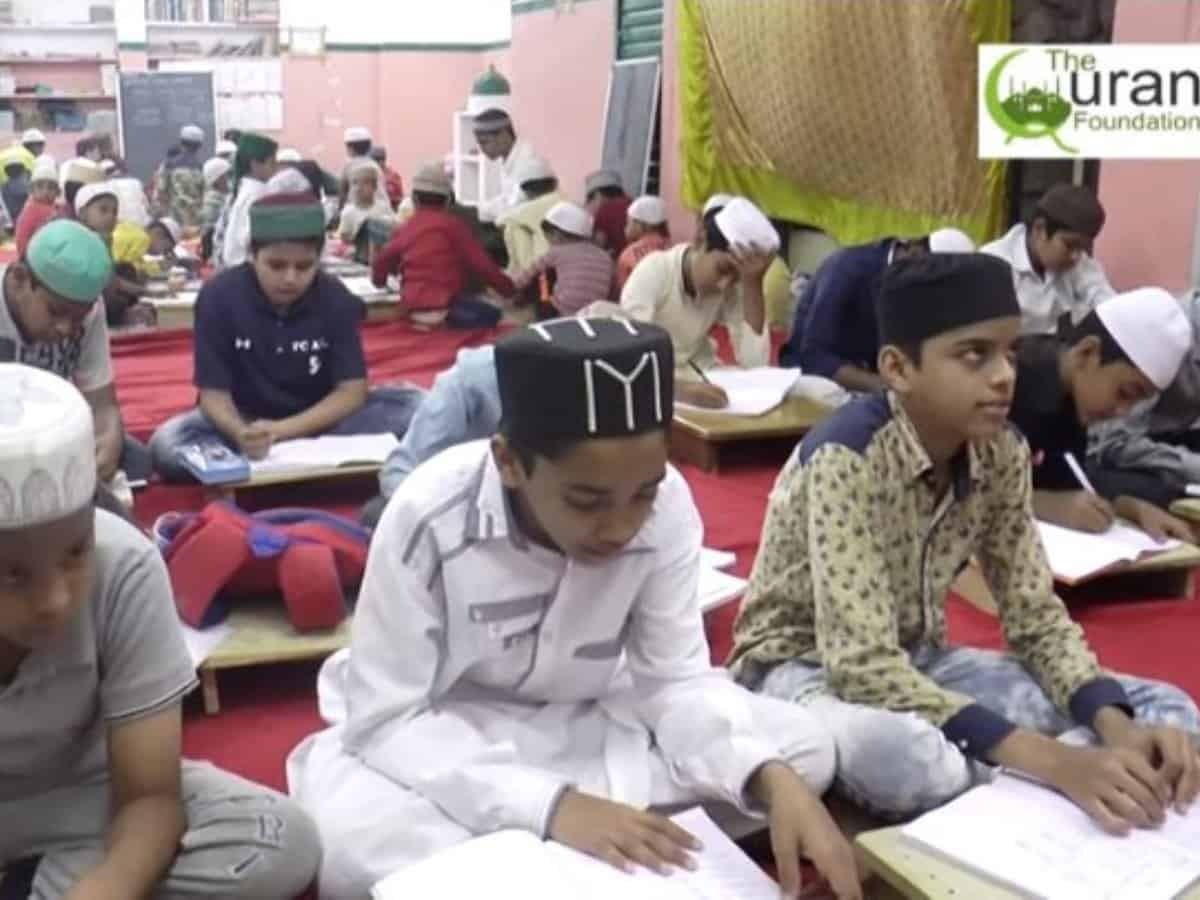
Setting up remedial classes and tuition centres in slum areas is of paramou..